
Donate to Long Island Cares and help feed your neighbors in need. Contribute what you can, all donations are welcome
Who We Are
Our Mission
Founded by the late Harry Chapin
Long Island Cares – The Harry Chapin Regional Food Bank has been on a mission to feed Long Islanders facing food insecurity and address its root causes since our founding by the late Harry Chapin in 1980.
News & Stories
Get to Know Us
News
Get the latest updates from Long Island Cares on our events, activities in the community, and many others.
How Food Access Impacts Chronic Disease
Why low-sodium, diabetic-friendly, and heart-healthy diets aren’t accessible to everyone and the devastating effects
Healthy diets play a major role in both a person’s current and future health status. There are a multitude of doctor recommended diets for all sorts of reasons: heart-healthy, low sodium, diabetic friendly and others. Unfortunately, not everyone will have access to the types of whole foods, produce and healthy ingredients that we should all be eating for our health. Many low income families, rural areas or the unemployed are forced to make nutrient poor choices that have serious effects on their health. The many barriers to access of healthy food choices won’t only have devastating effects on their health but the generations that follow in their foot steps.
Risks of nutrient insufficient diets
The cost of healthy, nutrient dense foods such as fruits, vegetables and lean proteins are often more costly than highly processed and nutrient poor choices. In addition there are areas that have minimal access to supermarkets for fresh produce and rely heavily on fast food options. These are usually high in saturated fat and sodium. The cost however, appears to be less than it would be for a healthier option. If you factor in all the health and financial consequences of a seemingly cheaper meal, you are actually losing out majorly in the long run. Adults who have poor access to healthy diet foods are 50% more likely to visit an emergency room and spend about 45% more on medical costs each year due to the effects of poor nutrition.
According to the CDC, “…adults who experience food insecurity are 2 to 3 times more likely to have type 2 diabetes”. Foods that are cheaper and easier to find tend to be high in added sugars, fat and salt.
The CDC also states for individuals “already living with diabetes and relying on inexpensive food options leads to higher A1C levels”. Uncontrolled diabetes can lead to heart and kidney disease, lower limb amputations, vision problems and sometimes even death.
How food insecurity limits access to healthy foods
10.2% of all US households were insecure at least some time of the year and the rate of families and individuals suffering from food security has been steadily on the rise, according to USDA national statistics.
Food insecurity and limited access to healthy diets and whole foods increases the odds of being diagnosed with other chronic diseases as well. The analysis from the USDA National Health Survey also found that these chronic conditions were 18% higher on average than those with better access to healthy foods. Long term impacts are seen on heart health, liver function, high blood pressure, obesity, diabetes, and even anxiety and depression. The children of food insecure families often are also seen to become asthmatic, anemic, vitamin deficient and even become child diabetics themselves. They tend to also suffer than more anxiety and depression than children from a better food environment.
How the effect of food insecurity on health is being addressed
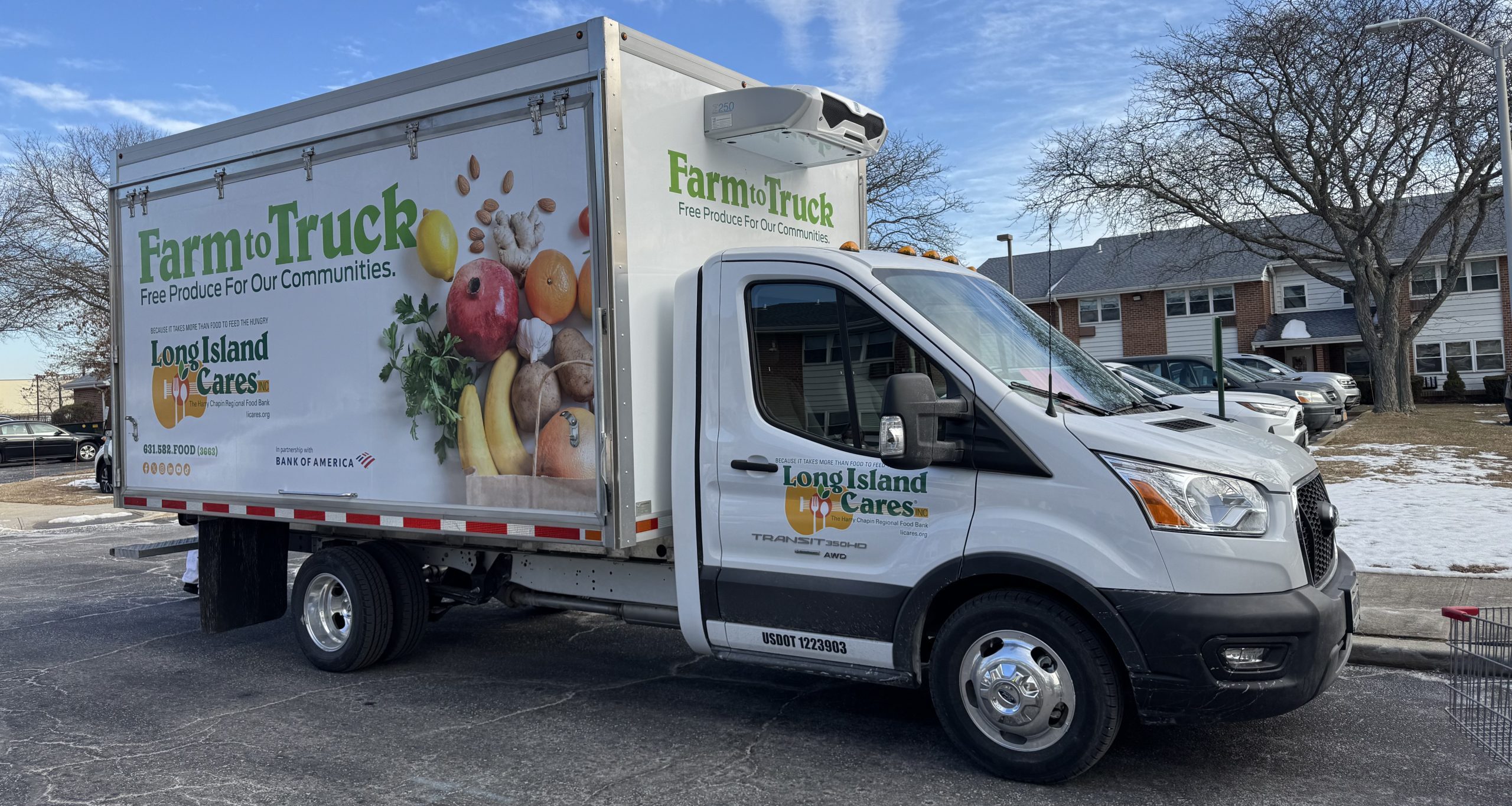
Chronic disease doesn’t begin in a doctor’s office — it often begins with limited access to healthy food. Programs like Long Island Cares’ Farm to Truck are designed to interrupt that cycle. By bringing fresh produce directly into underserved communities, they create opportunities for families to access the foods that support heart health, stabilize blood sugar, and promote overall wellness. Investing in fresh food access today helps prevent serious health consequences tomorrow.
sources
- Diabetes and Food Insecurity
https://www.cdc.gov/diabetes/healthy-eating/diabetes-food-insecurity.html
- How Is Food Access Related to Chronic Disease?
https://www.ifm.org/articles/food-insecurity-chronic-disease
- Increasing Access to Healthy Foods through Improving Food Environment: A Review of Mixed Methods Intervention Studies with Residents of Low-Income Communities
About Lauren Benedetto BSN RN
Lauren Benedetto, RN, BSN, BS is a Registered Nurse with more than 15 years of diverse healthcare experience spanning direct patient care, home health, medical-surgical nursing, and telehealth services. She holds a Bachelor of Science in Nursing as well as a Bachelor of Science in Computer Programming and Information Systems, combining clinical expertise with a strong technical foundation.
Lauren has served in roles including RN Client Success Manager and Care Team Coach, where she supports care coordination, telehealth communication, and patient engagement in remote and hybrid healthcare settings.
Passionate about improving access to care and enhancing patient experiences through technology, Lauren is committed to delivering compassionate, patient-centered solutions that bridge clinical practice and digital innovation.