
Donate to Long Island Cares and help feed your neighbors in need. Contribute what you can, all donations are welcome
Who We Are
Our Mission
Founded by the late Harry Chapin
Long Island Cares – The Harry Chapin Regional Food Bank has been on a mission to feed Long Islanders facing food insecurity and address its root causes since our founding by the late Harry Chapin in 1980.
News & Stories
Get to Know Us
News
Get the latest updates from Long Island Cares on our events, activities in the community, and many others.
What Nurses See When Patients Don’t Have Enough Access to Nutritious Food
A front line perspective on how food insecurity shows up in healthcare settings.
As a nurse who has worked in nearly every niche of nursing over the last 15 years, I can say with certainty that no matter what the setting, food insecurity always rears its ugly head. From outpatient to in-patient and everywhere in between I have seen firsthand the effects of poor nutrition from lack of access. A study from the Journal of the American Heart Association, “showed that food insecurity is associated with adverse health outcomes, including higher risk of obesity, diabetes mellitus, hypertension, hyperlipidemia, and cardiovascular disease (CVD), especially among women.”
The effects of food insecurity on children
In pediatrics, I have seen a very worrisome rise in obesity, asthma, vitamin deficiencies and even type 2 diabetes. To see the failing health of young children is one of the hardest things to bear. Over and over I have seen children of low income and underserved populations come in sick with new onset asthma from obesity. They rely on inhalers and nebulizer treatments, which are expensive and ongoing. Fast food often seems like the most affordable choice, but in the long run, the costs—both financial and health-related—are significant. When children experience comorbidities tied to limited access to nutritious foods, medical expenses increase, and their overall well-being is impacted. Food insecurity can also affect other aspects of child development, including motor skills, social-emotional, and cognitive growth. Research shows that children ages 2–17 who experience food insecurity not only have worse overall health but are more likely to experience depressive symptoms and higher rates of emergency room visits.
Alongside obesity, I have seen a worrying increase in type 2 diabetes among children. Diets high in processed foods, sugar, and saturated fats contribute to these conditions. Once a child is diagnosed with diabetes, access to healthy, whole foods becomes even more critical. When families face barriers such as financial or geographic challenges, the child’s long-term prognosis can be compromised, often leading to reliance on costly medications and additional health complications over time.
How insufficient nutrition affects adults
Similar patterns appear in adult patients. Limited access to nutritious foods contributes to obesity, diabetes, and other chronic conditions. Over time, these issues can lead to heart problems, breathing difficulties, mobility challenges, kidney stress, and increased risk of stroke, heart disease, hypertension, COPD, and certain cancers. Complications from diabetes, such as poor circulation, can result in vision loss, limb amputation, or even death.
I have seen the impact of food insecurity in every healthcare setting I have worked in, from children to adults, in OBGYN practices managing gestational diabetes, and in elderly patients dealing with multiple health issues related to years of inadequate nutrition. What people eat has a profound influence on their current health and can shape their future well-being. Access to nutritious food is not just about meals, it is about health, development, and the ability to thrive.
Addressing the challenges for a healthy Long Island
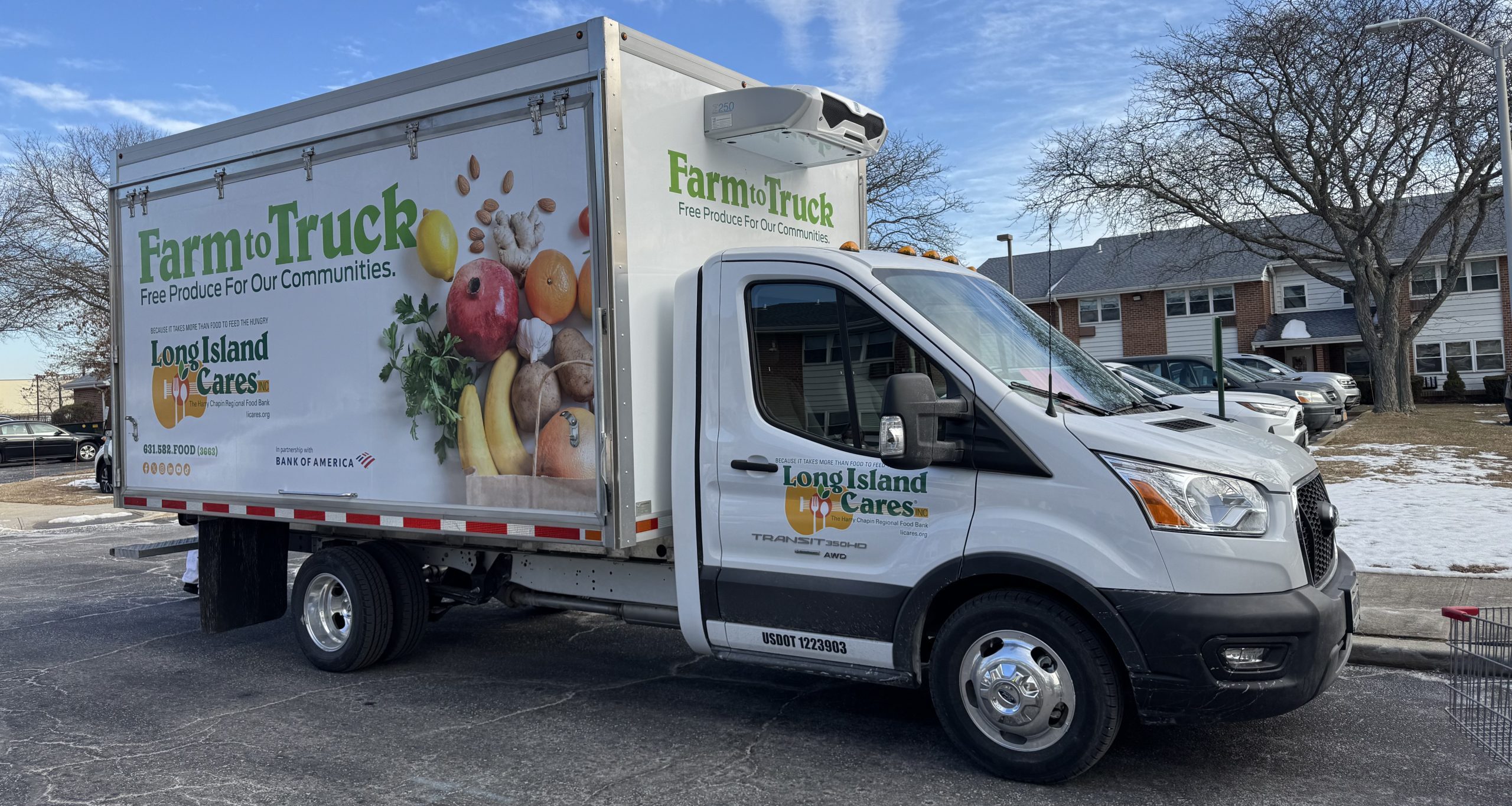
Organizations like Long Island Cares play a critical role in addressing these challenges. By providing access to nutritious foods through their network of food pantries, mobile fleet, and partnerships with other community-based organizations, they help families get the foods they need to stay healthy. Programs like these can make the difference between a child managing diabetes with proper nutrition or facing preventable health complications, and they offer adults a way to take control of their health despite financial or geographic barriers. The food Long Island Cares provides doesn’t just put a meal on the table—it is an investment in health, wellness, and the future of our community.
Sources
- Food Insecurity, Chronic Disease, and Health Among Working-Age Adults
Christian A. Gregory and Alisha Coleman-Jensen
https://www.ers.usda.gov/sites/default/files/ laserfiche/publications/84467/ERR-235_Summary.pdf - Casey EG, Winsler A. Impacts of Food Insecurity on Child Development: Strengthening the Role of Childcare.
Nutrients. 2025 Jul 25;17(15):2427. doi: 10.3390/nu17152427. PMID: 40806012; PMCID: PMC12348265.
- Food Insecurity Is Associated With Cardiovascular and All‐Cause Mortality Among Adults in the United States
Journal of the American Heart Association
Volume 9, Number 19

About Lauren Benedetto BSN RN
Lauren Benedetto, RN, BSN, BS is a Registered Nurse with more than 15 years of diverse healthcare experience spanning direct patient care, home health, medical-surgical nursing, and telehealth services. She holds a Bachelor of Science in Nursing as well as a Bachelor of Science in Computer Programming and Information Systems, combining clinical expertise with a strong technical foundation.
Lauren has served in roles including RN Client Success Manager and Care Team Coach, where she supports care coordination, telehealth communication, and patient engagement in remote and hybrid healthcare settings.
Passionate about improving access to care and enhancing patient experiences through technology, Lauren is committed to delivering compassionate, patient-centered solutions that bridge clinical practice and digital innovation.