
Donate to Long Island Cares and help feed your neighbors in need. Contribute what you can, all donations are welcome
Who We Are
Our Mission
Founded by the late Harry Chapin
Long Island Cares – The Harry Chapin Regional Food Bank has been on a mission to feed Long Islanders facing food insecurity and address its root causes since our founding by the late Harry Chapin in 1980.
News & Stories
Get to Know Us
News
Get the latest updates from Long Island Cares on our events, activities in the community, and many others.
Nutrition as Preventive Care
How consistent access to nutritious food supports long-term health outcomes
Consistent access to healthy foods is the foundation of a healthy diet. Proper nutrition supports appropriate growth and development, mood regulation, and a lower risk of non-communicable diseases such as hypertension, diabetes, cardiovascular disease, stroke, kidney disease, and cancer.
With increased urbanization and globalization, calorie-dense, nutrient-poor foods are more widely available. Socioeconomic barriers can make it harder for families to access fresh produce, while marketing and convenience increase reliance on fast and ultra-processed foods, which are often high in salt and fat.
Insufficient access to nutritious foods impact on health
In the U.S., roughly 40% of adults are obese, half have hypertension, and 14% have kidney disease. Diets high in sodium contribute to hypertension and kidney issues, while potassium-rich diets can have protective effects. Deficiencies in essential vitamins and minerals are linked to conditions like anemia, cognitive problems, and other health complications.
According to the National Library of Medicine (NIH), “Public healthcare systems worldwide face the dual challenge of addressing both undernutrition and overnutrition, requiring comprehensive strategies that integrate prevention, education, and improved access to healthier food options.” They also note that “prioritizing a nutrient-rich diet, one that is low in saturated and trans fats, added sugars, and excessive sodium, is essential for promoting long-term health and well-being.”
Types of food to sustain healthy nutrition
Healthy eating habits formed in childhood often carry into adolescence and adulthood. Access to a variety of vegetables, fruits, and whole grains—such as maize, oats, wheat, brown rice, and pulses—is essential. Diets should limit added sugars, emphasize lean proteins such as fish or chicken, and include plant-based proteins to reduce red meat intake. Fats are necessary but should make up no more than 30% of total dietary intake, with a focus on “good fats” like olive oil, avocados, nuts, seeds, and fatty fish, while minimizing trans fats.
How proper nutritious food promotes health
The World Health Organization (WHO) recommends that everyone older than 10 consume at least 400 grams of fruits and vegetables per day, with younger children consuming proportionally smaller amounts. Nutrient-dense foods—including dark leafy vegetables, whole grains, legumes, nuts, seeds, and lean meats—provide essential vitamins and minerals that support blood pressure, heart and kidney function, muscle regulation, and nerve signaling.
Nutrition is not just a personal choice, it is a powerful form of preventive care that shapes health outcomes throughout life. Ensuring consistent access to affordable, nutrient-rich foods can reduce chronic disease, improve quality of life, and promote health equity.
What Long Island Cares is doing to help
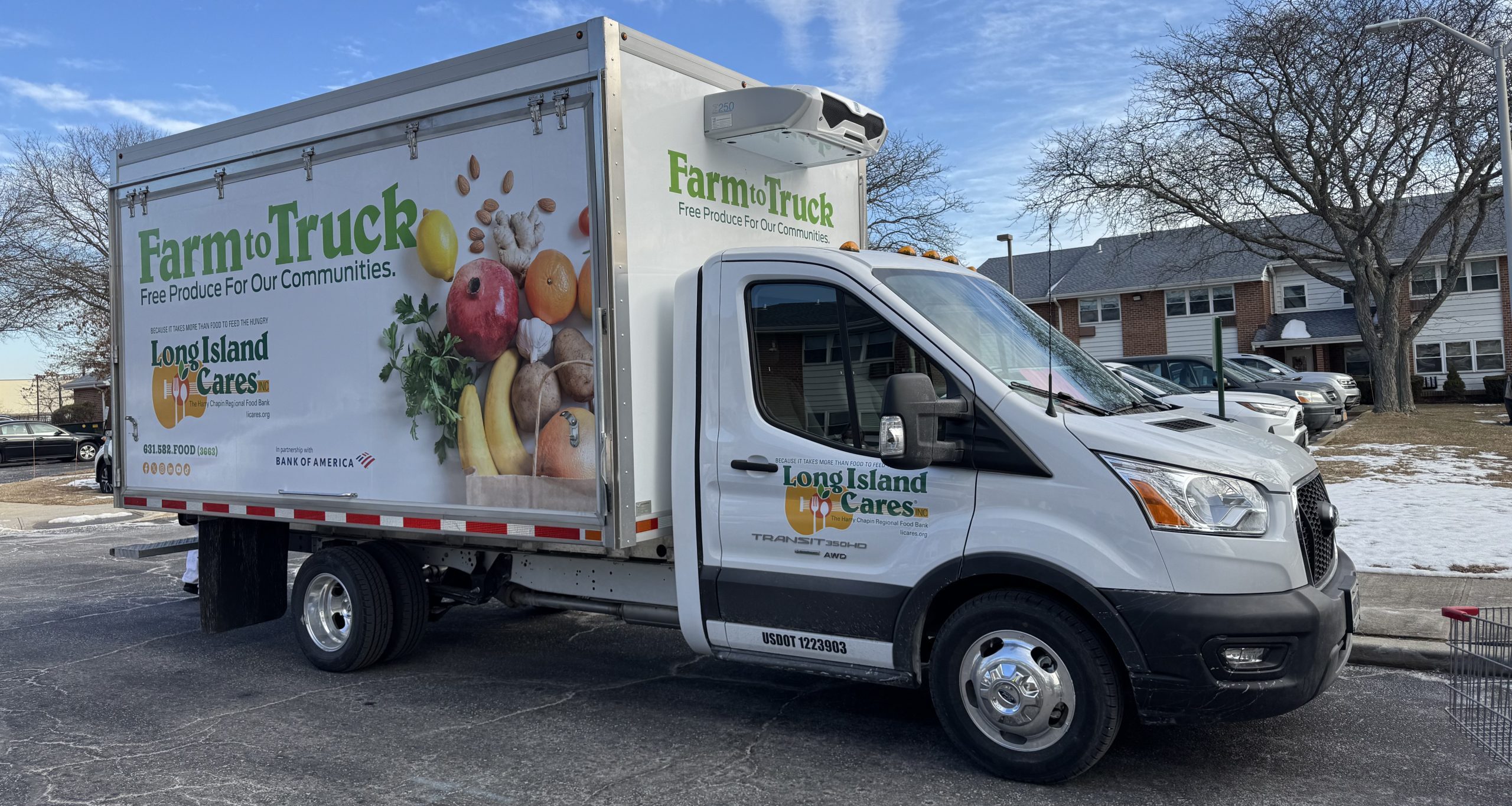
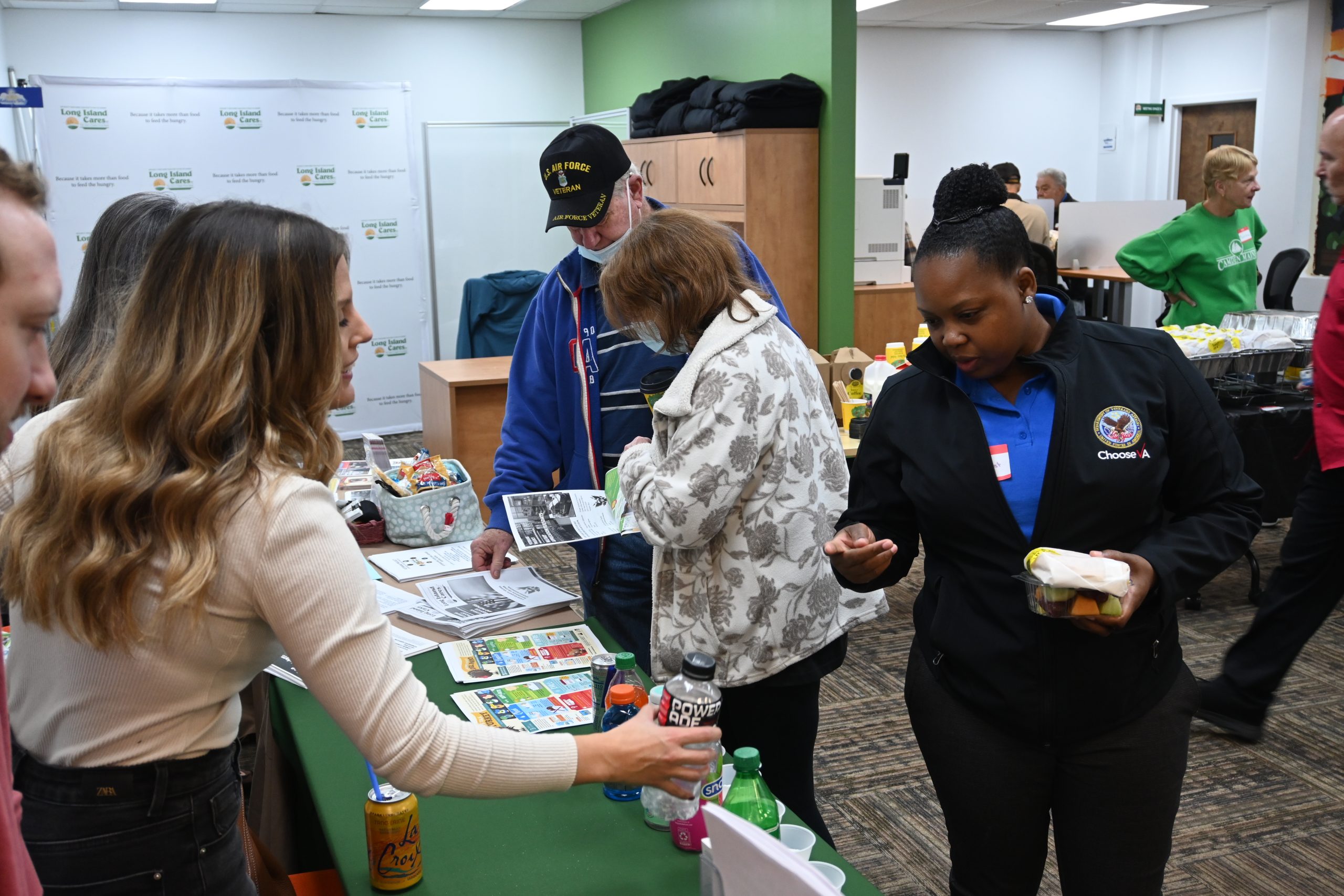
Long Island Cares helps support healthy diets through programs like Farm to Truck, harvesting fresh produce from their own community gardens, and offering a client-choice food pantry that provides neighbors with nutritious options while allowing them to tailor their selections to meet dietary or religious preferences.
Sources
- Alyafei A, Daley SF. The Role of Dietary Lifestyle Modification in Chronic Disease Prevention and Management.
[Updated 2025 May 19]. In: StatPearls [Internet]. Treasure Island (FL): StatPearls Publishing; 2026 Jan-. Available from:
https://www.ncbi.nlm.nih.gov/sites/books/NBK587401/ - Access to Foods That Support Healthy Dietary Patterns. Healthy People 2030.
https://odphp.health.gov/healthypeople/priority-areas/social-determinants-health/literature-summaries/access-foods-support-healthy-dietary-patterns - Healthy Diet. The World Health Organization. Jan 2026.
https://www.who.int/news-room/fact-sheets/detail/healthy-diet

About Lauren Benedetto BSN RN
Lauren Benedetto, RN, BSN, BS is a Registered Nurse with more than 15 years of diverse healthcare experience spanning direct patient care, home health, medical-surgical nursing, and telehealth services. She holds a Bachelor of Science in Nursing as well as a Bachelor of Science in Computer Programming and Information Systems, combining clinical expertise with a strong technical foundation.
Lauren has served in roles including RN Client Success Manager and Care Team Coach, where she supports care coordination, telehealth communication, and patient engagement in remote and hybrid healthcare settings.
Passionate about improving access to care and enhancing patient experiences through technology, Lauren is committed to delivering compassionate, patient-centered solutions that bridge clinical practice and digital innovation.